
Cancer Treatment in Thane by a Surgical Oncologist
Dr. Yogesh Bansod treats cancers of the digestive tract, breast, lung, women's organs, urinary system and soft tissues, and offers cytoreductive surgery with HIPEC for selected cancers that have spread within the abdomen. Pick the area that matches your concern, or call us and we will point you to the right page.
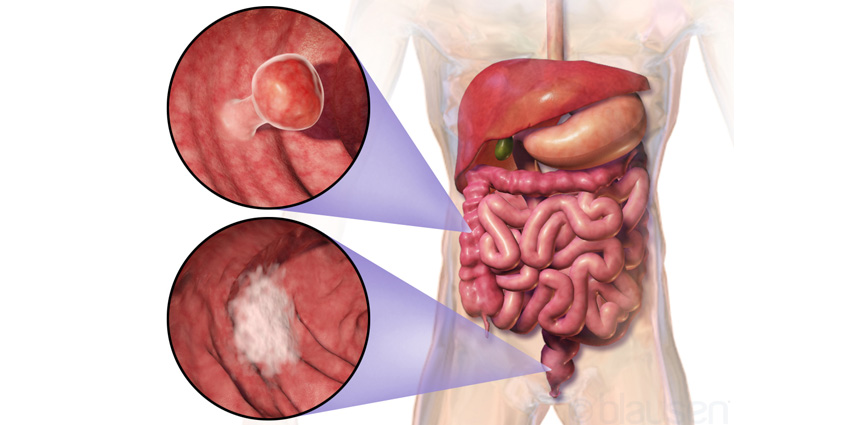
Gastrointestinal & Colorectal Cancers
Cancers of the food pipe, stomach, liver, pancreas, small bowel, colon and rectum all need careful surgical planning. Our goal in Thane is to remove the cancer completely while protecting how your digestive system works afterwards.
Read about treatment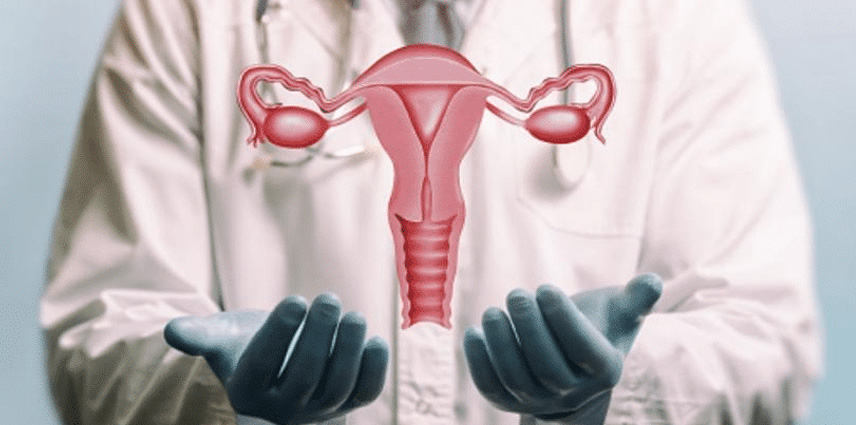
Gynecological Oncology
A diagnosis of ovarian, uterine or cervical cancer brings questions about treatment, fertility, hormones and recovery. We answer them clearly and plan surgery that treats the cancer first and respects the rest of your life.
Read about treatmentPeritoneal Cancer: CRS & HIPEC
When colorectal or ovarian cancer spreads along the lining of the abdomen, it is not always a situation without options. For carefully selected patients, removing all visible disease and then bathing the abdomen in heated chemotherapy can offer a real chance of long-term control.
Read about treatment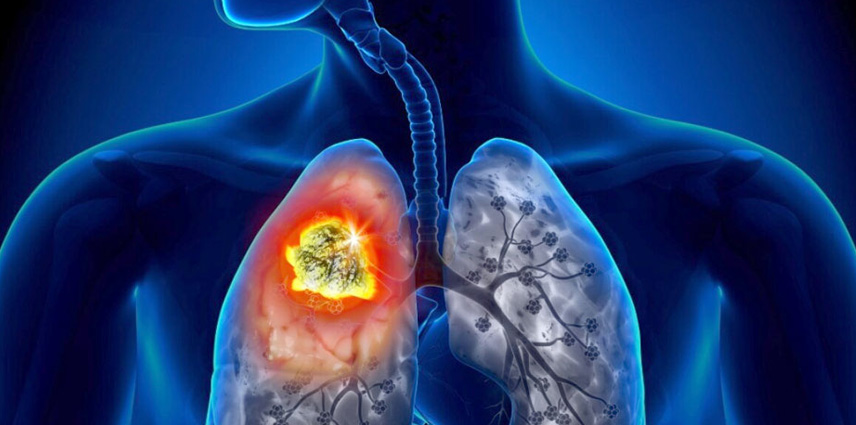
Thoracic Oncology
A spot on a chest X-ray or CT scan can be frightening. We help you find out quickly whether it is cancer, how far it extends and whether surgery can offer a cure.
Read about treatment
Breast Oncology
Most breast lumps are not cancer, but every new lump deserves a proper check. If cancer is found, early treatment gives the best results and often allows the breast to be saved.
Read about treatment
Soft Tissue & Retroperitoneal Sarcoma
Sarcomas are uncommon cancers of muscle, fat, nerve and connective tissue. Because they are rare, the first operation matters enormously, and it should be planned by a surgeon who treats them regularly.
Read about treatment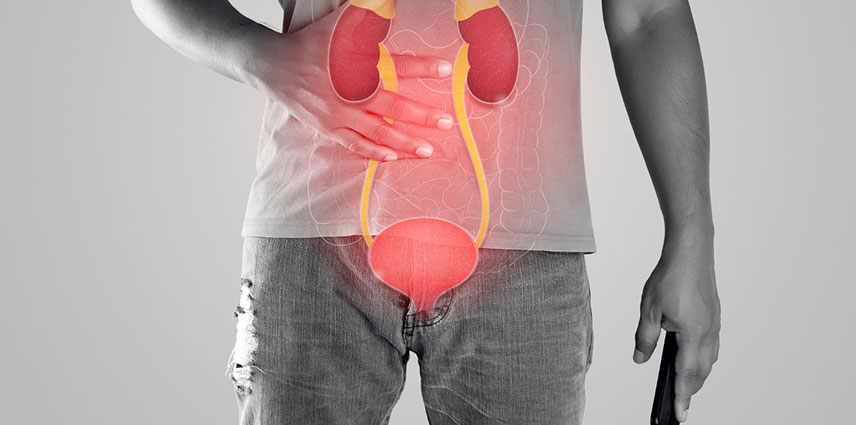
Urological Cancer Treatment
Blood in the urine, a mass on a kidney scan, a high PSA test: urological symptoms are easy to dismiss and hard to interpret. We help you understand what your results mean and what to do next.
Read about treatmentWhy a surgical oncologist?
Cancer is treated with surgery, drugs, radiation, or a mix of the three, and the order matters. A surgical oncologist is trained to remove tumours with the right margins, to judge when surgery should come first or second, and to lead the discussion with the rest of the cancer team. If you are not sure which specialist you need, a first consultation will settle that.