
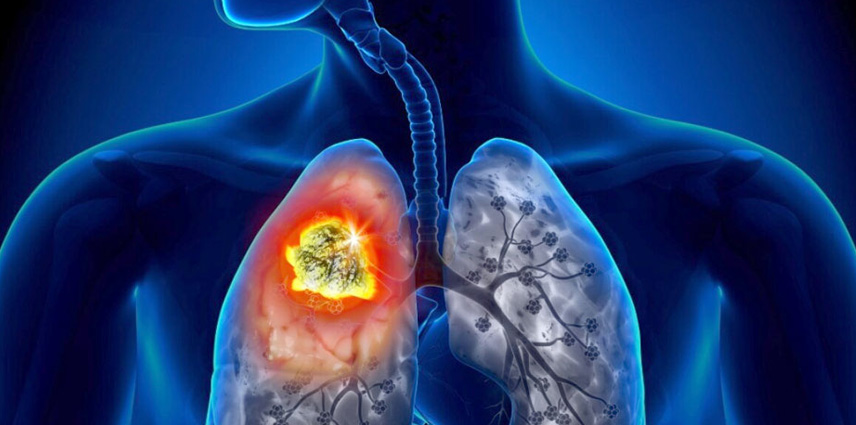
How we approach thoracic oncology in Thane
Thoracic oncology covers cancers and tumours of the lung, food pipe, pleura (lining of the lung), chest wall and the space between the lungs called the mediastinum. Treatment of lung cancer depends heavily on exact tissue diagnosis, including molecular testing, and on whether the tumour is limited enough to be removed. A careful work-up before any decision is the single most important step, and it is where the first consultation focuses.
When the tumour is early and you are fit for surgery, removing the affected part of the lung offers the best chance of cure for many patients. Where the disease is more advanced, surgery may be combined with, or replaced by, chemotherapy, targeted therapy, immunotherapy or radiotherapy. Dr. Yogesh Bansod works with chest physicians, radiologists and oncologists so that your plan reflects all of these options and not only the surgical one.
Conditions we assess and treat
- Non-small cell lung cancer
- Small solitary lung nodules needing biopsy or removal
- Lung metastases suitable for surgical removal
- Oesophageal cancer
- Thymoma and mediastinal tumours
- Chest wall tumours
- Pleural tumours and malignant pleural effusion
When a cough or chest symptom needs a scan
- A cough lasting more than three weeks, especially if it is changing
- Coughing up blood, even small streaks
- Breathlessness that is new or worsening
- Chest pain, shoulder pain or persistent hoarseness
- Repeated chest infections in the same area
- Unexplained weight loss or loss of appetite
- An abnormal shadow or nodule found incidentally on an X-ray or CT
Having one of these does not mean you have cancer. It means you should have it checked by a specialist.
How the diagnosis is made
- Chest X-ray and contrast CT scan
- PET-CT to check for spread
- CT-guided or bronchoscopic biopsy
- Pulmonary function tests to check whether you can safely have lung surgery
- Molecular and PD-L1 testing on the biopsy to guide systemic therapy
- Tumour board review
Surgical procedures for lung and thoracic cancers
Chest surgery is planned around two questions: how much needs to be removed to clear the cancer, and how much lung or food pipe you need to keep for normal life afterwards. Pulmonary function tests and scans answer both before any decision is made. Video-assisted (keyhole) surgery is preferred where it is safe, and an open incision (thoracotomy) is used when the tumour needs it.
Lobectomy (VATS or open)
Removal of the lobe of the lung that contains the cancer, the standard operation for most early lung cancers. Through small keyhole incisions with a camera, many patients recover faster than with open surgery. The lymph nodes in the chest are removed or sampled at the same time so that the stage is known exactly.
Segmentectomy and wedge resection
Removal of a smaller part of the lung. Used for small or early nodules, or when lung function is limited and a full lobe cannot be spared. It keeps more healthy lung, provided the margin around the tumour is adequate.
Pneumonectomy and sleeve resection
Removal of a whole lung, or of a lobe together with a section of the main airway that is rejoined (sleeve resection). Reserved for tumours near the centre of the chest that cannot be cleared by a smaller operation.
Surgery for lung metastases (pulmonary metastasectomy)
In selected patients with cancer spread limited to the lungs, from the colon, a sarcoma or other primary, removing the deposits can give long-term control. Each case is reviewed with the medical oncologist.
Oesophagectomy for food pipe cancer
Removal of the food pipe and its lymph nodes, with the stomach lifted into the chest or neck to restore swallowing. Chemotherapy or chemoradiation before surgery is common. Minimally invasive techniques are used in selected patients.
Thymectomy and mediastinal tumour removal
Surgery for thymoma and other tumours in the space between the lungs, using keyhole or open access depending on size and position.
Chest wall resection
Removal of tumours of the ribs and chest wall with a margin of healthy tissue, followed by reconstruction when needed to protect the lung and keep the chest stable.
Pleural biopsy, drainage and pleurodesis
Keyhole assessment and treatment for fluid around the lung. A biopsy gives a diagnosis, and pleurodesis helps prevent the fluid from collecting again, easing breathlessness.
After chest surgery, a drain stays in the chest for a short time. Breathing exercises, physiotherapy, good pain control and walking early all reduce the risk of chest infection. Stopping smoking before surgery makes a real difference to recovery.
Treatment options with Dr. Yogesh Bansod
Minimally invasive lung surgery
Where suitable, video-assisted (keyhole) removal of a lobe or part of the lung through small incisions.
Nodule evaluation
A structured plan for the lung nodule: watchful follow-up, biopsy, or removal, depending on size, appearance and your risk.
Multimodality planning
Chemotherapy, targeted drugs, immunotherapy or radiotherapy before or after surgery when evidence supports it.
Breathing and recovery support
Chest physiotherapy, pain control and early walking to speed recovery and reduce lung complications.
Long-term follow-up
Scheduled scans and clinical review after treatment, along with support to stop smoking.
Cancer care close to home in Thane
Air quality and smoking-related lung disease are real concerns across the Mumbai Metropolitan Region, and a persistent cough is often put off or treated repeatedly with antibiotics. If your chest scan from a Thane centre shows a nodule or mass, a surgical oncology opinion can tell you within one visit what the next test should be. Our team can also coordinate scans and biopsies at well-equipped centres nearby.
Frequently asked questions
Is every lung nodule cancer?
No. Most small lung nodules are not cancer and may be old infections or scars. Size, shape, growth over time and your risk factors decide whether they need a biopsy, repeat scans or removal.
Who is a good lung cancer doctor in Thane?
Lung cancer care needs a team: a surgeon, a medical oncologist and a radiation oncologist. Dr. Yogesh Bansod works with this team to plan treatment. You can book a consultation to review your CT scan and biopsy.
Can lung cancer be cured with surgery?
In early stages, surgery can offer a chance of cure, and sometimes further treatment is added to lower the chance of return. Advanced disease is usually treated with drug therapy. Only a full staging work-up can tell you which group you belong to.
Does a non-smoker need to worry about lung cancer?
Yes. A meaningful number of patients with lung cancer have never smoked, and changes in the tumour's genes may be present that allow targeted tablets. Any persistent chest symptom deserves a scan.
How long is the recovery after lung surgery?
With keyhole techniques, many patients are walking the day after surgery and go home within a few days, but this varies with the type of operation and your general health.
This page is for general information and is not a substitute for personal medical advice.